How To Find Businesses For Sale: 6 Tips To Know
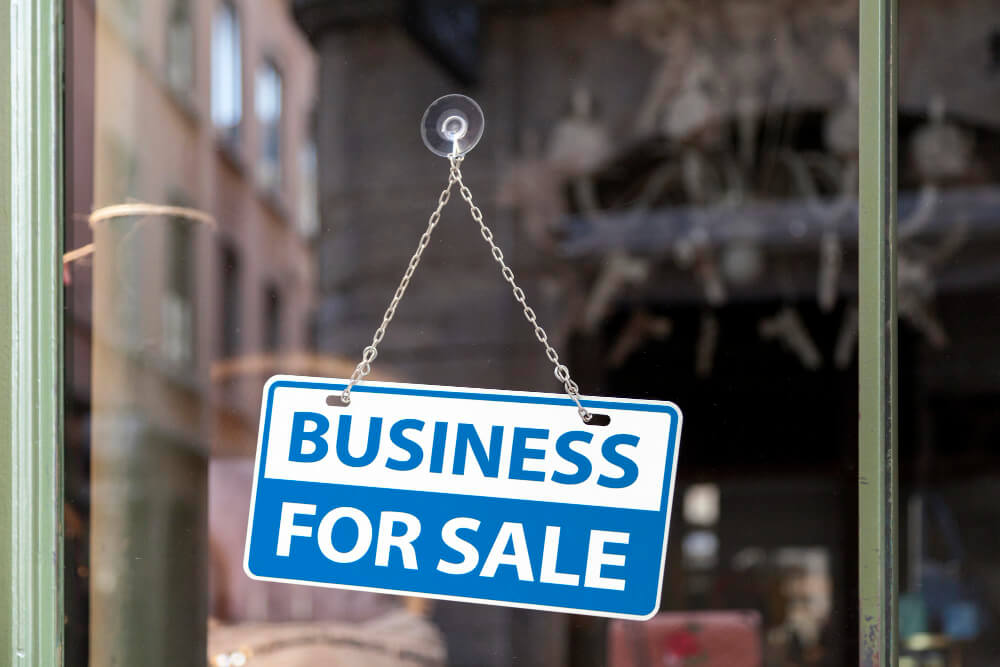
Starting the journey toward business ownership often starts with a simple inquiry— how to find businesses for sale. Many entrepreneurs prefer acquiring an established company rather than starting from the ground up. Existing businesses already have customers, operations, and revenue streams in place. This foundation can make the transition into ownership feel more manageable.
Deciding that you want to acquire a business rather than build it yourself is one component. Finding the right opportunity is another. True unicorns seldom fall in your lap. While there are some businesses that appear on public marketplaces, many remain private until a broker connects them with a qualified buyer. Knowing where to look and how to evaluate prospects can make the search more productive.
#1: Clarifying Your Business Ownership Goals
The search becomes more focused once you define the type of company you want to own. Businesses vary widely in size, industry, and operational structure. Certain companies operate with small teams and simple systems. Others depend on larger staff and established management structures.
Your experience and interests often guide this decision. If you have worked in a particular industry for years, purchasing a company in that field will likely feel more natural. Familiarity with operations, suppliers, and customers can lead to a smoother transition into ownership.
#2: Exploring Online Marketplaces for Opportunities
Online marketplaces are a common starting point for buyers learning how to find businesses for sale. These platforms feature thousands of listings, ranging from small local companies to larger operations with regional reach.
Each listing typically includes basic details about the business. Insight into Seller’s Discretionary Earnings (SDE), revenue ranges, industry categories, and brief descriptions of daily operations can help you compare options and understand general market pricing.
While these platforms provide visibility, they rarely tell the entire story of a company. Listings offer a snapshot rather than a complete picture. Financial statements, operational processes, and customer relationships require deeper examination before any decisions take shape. So while it’s fine to peruse the online marketplace, don’t let it be where your search for buying a business ends. Think of it as a jumping off point for research rather than your final destination.
#3: The Value of Working With a Business Broker
Many buyers choose to work with a brokerage firm to expand their search. Brokers represent sellers who prefer a more dedicated sales process. These businesses may not appear on public listing sites, which means buyers working with brokers have access to different opportunities than others.
A brokerage in Southwest and Upper Midwest like Cooperhawk can connect you with businesses that match your specific criteria, including industry, interests, and financial capacity. We’ll also help interpret financial data and explain how transactions typically progress so you’re not kept in the dark.
Our role goes beyond pleasantries and making introductions. Brokers coordinate communication between buyers and sellers, guide early discussions, and keep negotiations moving forward. This structure brings clarity to the process and helps maintain momentum from initial interest through closing.
Many entrepreneurs choose to buy a business through a brokerage because it offers an existing customer base, established operations, and a faster path to ownership.
#4: Using Local Connections and Industry Relationships
Opportunities often emerge through conversations and interactions rather than formal listings. It’s the casual mention that “someone you know is selling a business” that might lead to a lunch meeting, which could lead to an eventual sale. These situations may start as informal discussions but they can quickly turn into contracts when the right people are involved.
Networking and relationship building go a long way when it comes to finding a business for sale. Stay open, curious, and vigilant for opportunities that may arise no matter where they may come from.
#5: Evaluating Financial Performance Carefully
When a business captures your interest, financial analysis becomes the next step. Revenue, expenses, and profit patterns reveal how the company operates over time.
Buyers typically review several years of financial statements. These records highlight trends in sales and operating costs. They also show how the business responds to seasonal changes or shifts in the economy.
Understanding these patterns will help you as the buyer make educated projections about what it might look like if you were the business owner. What kind of conditions are you willing to put up with? Do you foresee these continuing throughout your ownership or will you have to alter operations to reach your goals? There’s no right or wrong answer but these are important considerations to make before making the purchase.
#6: Looking Beyond Numbers to Market Position
Financial performance tells only part of the story. The company’s reputation and place within its industry can also influence long-term success.
Customer relationships provide one example. Businesses with loyal clients often experience steady revenue and predictable demand. Strong relationships with suppliers may also contribute to operational stability.
Competition within the market also deserves attention. Some industries are made up of a lot of smaller businesses, while in others, just a few large competitors dominate the market. Which do you prefer? Would you rather be a small fish in a large pond or a big fish in a small pond? Knowing your place in this landscape will help you determine the best path to go down for profitability.
Moving Forward With Your Business Search
Finding the right opportunity takes patience, research, and a clear understanding of what you want from business ownership. Vet the market and you’ll see that every conversation, listing, and financial review will help you narrow your search.
As part of the process, it’s also worth working with an experienced business brokerage. At Cooperhawk, we help qualified buyers connect with business owners looking to sell companies throughout Southwest
and Upper Midwest. We focus on building relationships with serious buyers and sellers so transactions are handled professionally, confidentially, and with the right fit in mind from the beginning.
Connect with Cooperhawk to start exploring business opportunities. Get experienced guidance and a clear path toward business ownership when you contact us today.